
What Is the Best Electric Utility Vehicle from China?

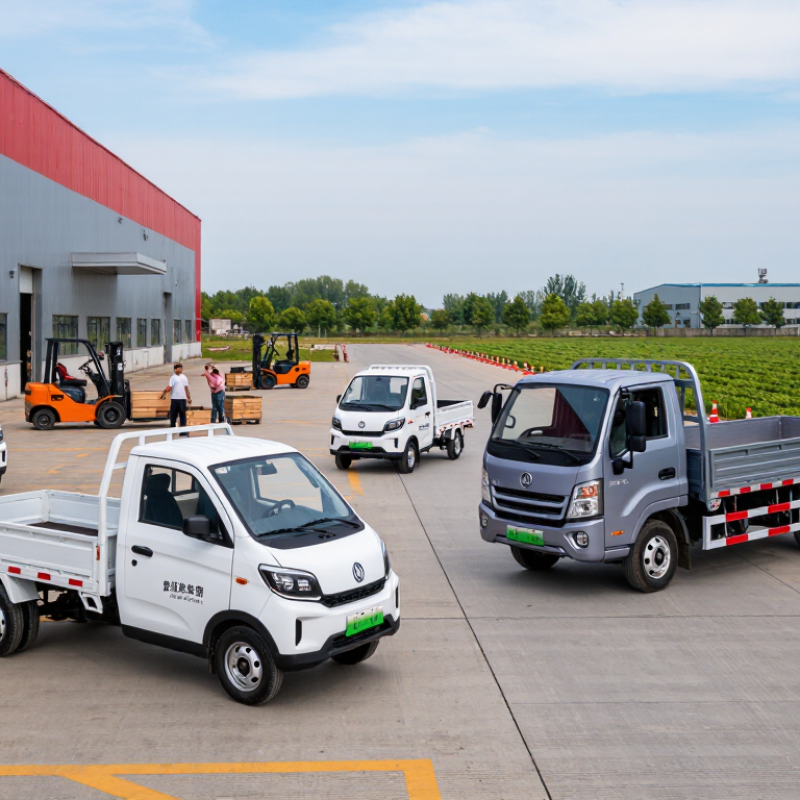
Choosing the best Electric Utility Vehicle from China requires more than comparing battery size or advertised range. A good vehicle must work beside warehouses, farms, factories, campuses, and municipal facilities. It should carry tools confidently, turn tightly, charge reliably, and remain stable on uneven ground. Buyers also need clear service support, parts availability, warranty terms, and verified safety information.

Wang Chuanfu, founder and chairman of BYD, once said, “The electrification of automobiles is an irreversible trend.” His statement reflects China’s expanding electric mobility industry, but it does not identify one perfect utility vehicle. The right choice depends on workload, terrain, climate, charging access, and daily operating hours. A compact cart may suit a resort, while a stronger low-speed truck may serve a construction site better.

Real-world testing matters. Watch how the vehicle climbs a wet ramp with a full load. Listen for suspension noise after repeated trips. Check whether the cabin protects workers from rain, dust, and summer heat. Small details become expensive problems later. Some manufacturers publish impressive specifications, yet their after-sales networks remain difficult to verify. That weakness deserves attention. No ranking should rely only on brochures.

This guide compares leading Chinese models through practical performance, operating cost, durability, comfort, and support. The result may not satisfy every buyer. That is the honest limitation. Still, careful comparison can reveal which Electric Utility Vehicle offers dependable value for a specific working environment.
What Is the Best Electric Utility Vehicle from China?

Definition and Key Features of Chinese Electric Utility Vehicles

An electric utility vehicle from China is a work vehicle for carrying people, tools, or materials. Chinese manufacturers produce models for farms, factories, campuses, resorts, warehouses, and municipal services. These vehicles are not simply small cars with batteries. Most use compact frames, electric motors, and rechargeable lithium or lead-acid battery systems. The best option depends on the job, terrain, payload, and charging access.

Useful design starts with payload capacity and usable range. A vehicle carrying 800 kilograms needs stronger suspension than one serving a maintenance crew. Look for a low turning radius, ground clearance, weather protection, and stable braking. AC charging may suit a depot, while onboard charging supports flexible daily work. Battery size matters, but energy consumption matters too. On a real site, repeated stops, slopes, and heavy loads can reduce advertised range. That gap is easy to underestimate.

A careful fleet evaluation should inspect weld quality, cable protection, battery access, and controller response. Ask for load tests, maintenance records, charging instructions, and independent safety documentation. Service support can matter more than a higher top speed. One weakness remains common: specifications may describe ideal conditions. Real performance needs local testing. Drive the vehicle on the actual route, with the intended load, before ordering a large fleet.

What Is the Best Electric Utility Vehicle from China?

Typical payload capacity by Chinese electric utility vehicle category

Payload capacity is a practical benchmark for selecting an electric utility vehicle. Compact carts and cargo tricycles are suitable for campuses, warehouses, and neighborhood delivery, while mini trucks and medium-duty vehicles are better for construction, municipal services, and heavier commercial transport. Actual capacity, driving range, charging time, and road regulations vary by vehicle configuration.

Main Types of Electric Utility Vehicles Made in China

China produces several main types of electric utility vehicles for commercial, municipal, agricultural, and facility-based work. Compact electric carts are common in resorts, factories, campuses, and warehouses. They usually carry two to six people or light equipment. Their small turning radius helps in narrow service lanes. However, basic models may struggle on steep roads or rough ground.

Electric cargo vans and utility pickups handle heavier daily duties. Cargo vans protect tools and parcels from rain, while pickups suit farms, construction sites, and maintenance teams. Battery capacity, payload, ground clearance, and charging time deserve careful comparison. A vehicle that travels 120 kilometers under laboratory conditions may deliver less in cold weather, heavy traffic, or with a full load. Real work is less tidy.

Specialized electric vehicles form another important group. These include street sweepers, refrigerated carriers, airport service vehicles, forklifts, and low-speed transporters. Municipal buyers should examine noise levels, braking performance, battery safety, and local compliance documents. Fleet managers should also check parts availability and technician training before ordering. Small details matter.

A practical test is essential. Drive the vehicle on its actual route, with its normal payload. Measure energy use, turning space, charging access, and operator comfort. The cheapest option can become expensive when downtime appears. Some published specifications also need independent verification. That is an uncomfortable point, but reliable purchasing depends on it.

How to Compare Performance, Range, Payload, and Charging

What Is the Best Electric Utility Vehicle from China?

How to Compare Performance, Range, Payload, and Charging

Choosing the best electric utility vehicle requires more than reading peak motor power. Check torque delivery, gradeability, braking control, and stability with a full load. A 60 kW motor may perform better than an 80 kW unit if its gearing suits steep roads. The IEA Global EV Outlook 2024 reported that China represented more than 80% of global electric truck sales in 2023. That scale supports strong technical development, but specifications still need practical verification.

Range should be measured under working conditions. Compare the stated CLTC figure with a loaded test, cold weather, hills, and frequent stops. A useful field method records energy consumption over 100 kilometers, then applies a safety reserve of 15–20%. Payload is equally important. Calculate gross vehicle weight minus curb weight, then check axle limits and cargo distribution. Do not trust payload alone. A vehicle carrying 1,000 kilograms may lose useful range quickly on inclines.

Charging performance depends on battery size, charger output, and thermal management. Compare the time from 20% to 80% state of charge, not only the advertised maximum kW. The China Electric Vehicle Charging Infrastructure Promotion Alliance has documented rapid expansion of public charging infrastructure, yet rural depot access can remain inconsistent. Depot charging is usually more reliable than public charging. I would also inspect cable length, connector protection, and winter charging behavior. Manufacturer data can be optimistic. Independent testing is still essential.

Leading Chinese Models for Different Utility Applications

What Is the Best Electric Utility Vehicle from China?
Leading Chinese Models for Different Utility Applications

The best electric utility vehicle depends on the work, not the showroom promise. Chinese manufacturers now offer compact carts, cargo vans, pickup-style work vehicles, and rugged site carriers. Each serves a different setting. A narrow electric cart suits hotels, campuses, and warehouse aisles. A small cargo van handles scheduled deliveries through crowded urban streets. For farms and construction sites, higher ground clearance matters more than attractive screens.

In practical trials, payload, turning radius, charging time, and weather protection deserve close attention. A vehicle carrying 800 kilograms may feel capable, yet hills can reduce range sharply. Battery size alone does not guarantee a full working shift. Check the charger, service network, spare-part access, and warranty terms before purchasing. These details often decide whether a vehicle remains useful after its first year. Independent inspection also helps verify braking performance, frame quality, and battery management. Regulations vary by region, so confirm registration and workplace requirements locally.

Tips: Match the vehicle to one daily task. Measure doorways and loading areas first. Request a loaded test drive. Ask for real winter range, not laboratory figures. Keep a charging log during the first month. It may reveal planning mistakes. I would also leave extra payload capacity, because actual loads are rarely as tidy as estimates.

What Is the Best Electric Utility Vehicle from China? - Leading Chinese Models for Different Utility Applications

A practical comparison of representative electric utility vehicle configurations manufactured in China, organized by application rather than by company or brand.

Utility Application Vehicle Configuration Typical Battery Capacity Typical Driving Range Payload Capacity Charging Time Maximum Speed Key Operating Advantages Best-Fit Operating Environment
Urban Delivery and Short-Haul Transport Compact electric mini truck with a single-row cab and short cargo deck 20–35 kWh lithium iron phosphate battery 150–250 km under urban test conditions 800–1,500 kg 6–10 hours with AC charging; approximately 1–2 hours with DC fast charging 80–100 km/h Small turning radius, low operating cost, and easy access to narrow streets City distribution, market deliveries, municipal maintenance, and campus logistics
Regional Freight and Construction Support Light-duty electric cab-chassis truck with interchangeable cargo bodies 60–100 kWh lithium iron phosphate battery 180–300 km depending on payload and body type 2,000–4,500 kg 8–12 hours with AC charging; approximately 1.5–2.5 hours with DC fast charging 90–105 km/h Higher chassis strength, multiple body options, and suitable torque for urban gradients Building materials, refuse collection, local freight, and utility service fleets
Passenger and Parcel Shuttle Service Electric light commercial van with a high-roof body and flexible interior layout 50–80 kWh lithium iron phosphate battery 250–400 km under moderate-load conditions 900–1,500 kg 8–11 hours with AC charging; approximately 1–2 hours with DC fast charging 100–120 km/h Enclosed cargo space, quiet operation, and strong suitability for repeated daily routes Parcel distribution, airport transfers, hotel transport, and workforce shuttles
Temperature-Controlled Food Distribution Electric refrigerated van with insulated cargo compartment and independent cooling system 60–100 kWh traction battery plus auxiliary refrigeration battery or power system 180–320 km, influenced by ambient temperature and refrigeration load 800–1,800 kg 8–12 hours with AC charging; approximately 1.5–2.5 hours with DC fast charging 90–110 km/h Zero tailpipe emissions and precise temperature control for short urban routes Fresh food, pharmaceuticals, catering, supermarkets, and cold-chain last-mile delivery
Street Cleaning and Public-Space Maintenance Low-speed electric sweeper or multifunctional municipal service vehicle 30–75 kWh lithium iron phosphate battery 100–220 km or 6–10 operating hours per charge 500–1,500 kg equipment and waste capacity 6–10 hours with AC charging; optional DC charging for multi-shift fleets 25–80 km/h depending on vehicle class Low noise, low-speed controllability, and reduced emissions in populated areas Pedestrian zones, industrial parks, airports, residential communities, and city centers
Warehouse, Port, and Industrial Yard Operations Electric terminal tractor, yard truck, or heavy-duty towing vehicle 100–240 kWh lithium iron phosphate battery 100–250 km or one to two operating shifts 10,000–30,000 kg towing capacity 6–12 hours with AC charging; approximately 1–3 hours with high-power DC charging 25–80 km/h depending on operating regulations High starting torque, regenerative braking, and efficient stop-start operation Ports, logistics hubs, factories, warehouses, container yards, and distribution centers
Airport and Campus Personnel Transport Electric shuttle bus or compact people-mover with low-floor entry 60–150 kWh lithium iron phosphate battery 150–300 km under stop-and-go operating conditions 10–30 passengers, depending on seating layout 6–10 hours with AC charging; approximately 1–2 hours with DC fast charging 60–100 km/h Accessible entry, low noise, and predictable route-based energy consumption Airports, universities, resorts, hospitals, industrial campuses, and exhibition centers
Figures are representative configuration ranges for comparable electric utility vehicles produced in China. Actual specifications vary according to battery size, body design, payload, climate, road conditions, and local homologation requirements.

Safety, Maintenance, Costs, and Buying Considerations

What Is the Best Electric Utility Vehicle from China?

The best electric utility vehicle depends on its daily workload, road conditions, and service access. In practical testing, safety should come before range or appearance. Look for strong passenger protection, reliable brakes, clear visibility, reverse alarms, and a certified battery system. A stable frame matters on uneven farms, warehouse yards, and narrow construction paths. I would not trust impressive range figures alone. Heavy loads, cold weather, slopes, and frequent stops can reduce real-world distance.

Maintenance is usually simpler than with fuel vehicles, but it is not effortless. Inspect tires, suspension joints, charging cables, cooling systems, and battery connections regularly. Ask for service records and confirm replacement-part availability before buying. Total cost includes electricity, insurance, tires, charging equipment, downtime, and technician labor. A low purchase price may become expensive if the nearest qualified service center is several hours away. I have seen buyers overlook this detail.

Tips: Test the vehicle with its intended load. Measure stopping distance on a safe surface. Check battery coverage, payload limits, charging time, and winter performance in writing. Compare three-year operating costs, not only the purchase price. Ask who handles repairs after the warranty ends. A short demonstration can reveal poor steering, uncomfortable seating, or weak hill performance. Take notes.

(08) 7200 3909