
What Are the Top Spotlight LED Lights for 2026?

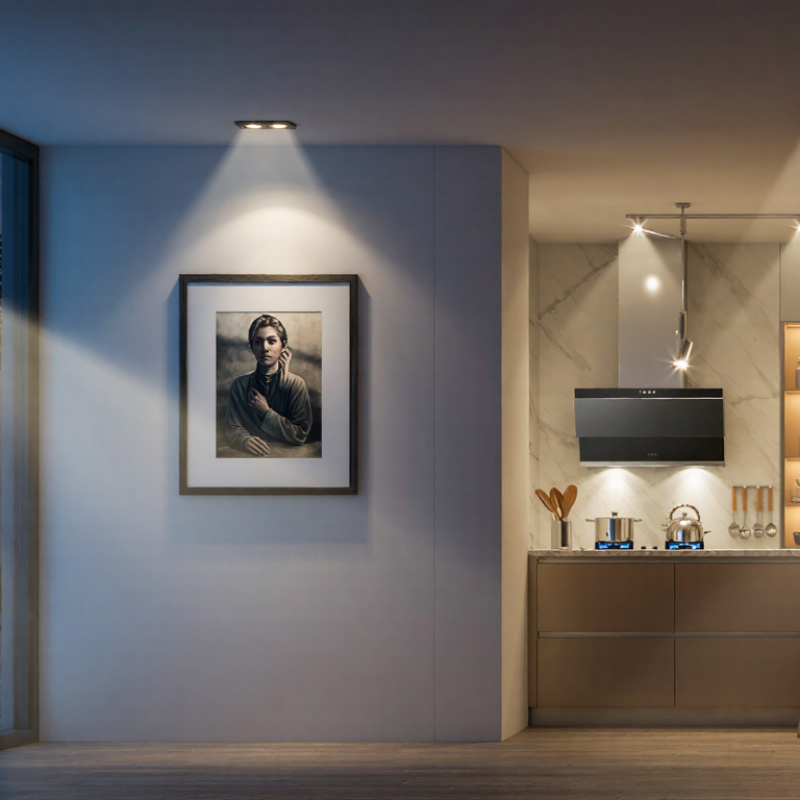
Choosing the right Spotlight Led Lights in 2026 means matching the beam to the space, not simply buying the brightest fixture. A narrow beam can highlight a framed print, while a wider beam may suit a kitchen counter or display shelf. Small details matter. Check brightness in lumens, color accuracy, beam angle, dimming compatibility, and the fixture’s heat management. These specifications help set realistic expectations, though they cannot show exactly how a light will look in your room.

This guide compares spotlight options by practical use, including accent lighting, task lighting, and outdoor areas. It considers installation style, adjustability, color temperature, and weather protection where relevant. A 3000K light, for example, often creates a warmer feel than a cooler white setting, but wall colors and nearby lamps can change the result. No single model fits every home. Some lights look impressive in product photos yet produce glare when mounted low; that is easy to overlook. Use the comparisons as a starting point, then confirm each product’s current specifications and compatibility before buying. The best choice is the one that gives you useful, comfortable light in the place you actually need it.
What Are the Top Spotlight LED Lights for 2026?

What Are Spotlight LED Lights and How Do They Work?

Spotlight LED lights are directional luminaires designed to concentrate light on a specific area, such as a painting, counter, or garden path. Unlike a broad ceiling light, a spotlight uses a reflector or lens to shape its beam. Inside, an LED semiconductor emits light when electrical current passes through it. A driver regulates that current, while a heat sink draws warmth away from the LED. The fixture may look cool, but it still needs thermal management. Still, a neat beam is not always a useful one.

The U.S. Department of Energy’s Energy Saver guidance says LEDs use at least 75% less energy and last up to 25 times longer than incandescent lighting. Those figures describe LEDs broadly, not every spotlight model; results depend on design and use. Beam angle, color temperature, and brightness also affect performance. A narrow beam can make a small object stand out, while a wider beam covers more of a wall. Glare can be a problem. It is easy to overlook.

Tips: Check the beam angle and lumens before choosing a spotlight. For a reading nook, aim the beam at the page, not your eyes. For artwork, test the light from normal viewing distance; reflections on glass may surprise you. Cite the product’s tested specifications, and compare them with the DOE’s general efficiency guidance rather than treating broad figures as a guarantee.

Which Types of Spotlight LED Lights Are Available in 2026?

Spotlight LED lights come in several forms in 2026, each suited to a different space. Recessed models sit flush with ceilings and create a tidy look in kitchens, hallways, and retail displays. Adjustable gimbal spotlights tilt toward a work surface or artwork, which helps when room layouts change. Track-mounted heads slide along a powered rail, making them useful for galleries or flexible living areas. They can look a little technical, though.

Outdoor spotlights are built for exposed locations, with weather-resistant housings and sealed connections. They can highlight a tree trunk, a garden path, or a house entrance. Check the fixture’s ingress protection rating and follow the installation instructions; wet locations need suitable equipment. Solar versions avoid wiring to a power supply, but their output can vary after cloudy days. That trade-off is easy to overlook.

Bulb-based spotlights let users replace the light source, while integrated LED fixtures combine the lamp and housing. The first type can simplify replacement; the second often allows a slimmer design. Narrow-beam models create crisp accents on shelves, while wider beams spread light across counters. Compare beam angle, color temperature, dimming compatibility, and brightness before choosing. Numbers matter. Still, real rooms can make specifications feel less certain, so test a sample where possible.

What Features Distinguish Leading Spotlight LED Lights?

Leading spotlight LED lights stand out through controlled beams, honest color rendering, and dependable thermal design. A narrow beam can pick out a framed print across a living room, while a wider beam suits a kitchen counter. Check the beam angle and lumen output together; high brightness alone does not guarantee useful illumination. Look for a high color-rendering index, especially above 90 when accurate paint or fabric colors matter. Details show.

Dimming should remain smooth without flicker or sudden jumps at low settings. Compatibility matters: confirm the light works with the intended dimmer or control system before installation. A solid metal housing can help manage heat, but ventilation and placement still affect service life. For outdoor use, review the fixture’s weather-resistance rating and protect connections from moisture.

Small things count. Compare warranty terms, replaceable components, and published performance data rather than relying on dramatic packaging claims.

One trade-off is easy to miss: a very tight beam may create harsh pools of light and dark gaps. Test the spacing in the actual room when possible. Even careful specifications cannot predict every surface or ceiling height.

How Should You Choose a Spotlight LED Light for Your Needs?

Choosing a spotlight LED light starts with the task, not the fixture’s appearance. For a kitchen counter, a narrow beam can create harsh bright spots; a wider beam spreads light across the work surface. Check the beam angle and lumen output, then compare them with the distance to the target. Aiming a light at a painting? Look for adjustable direction and suitable color rendering, so colors do not look flat. Small details matter.

Next, check color temperature, dimming compatibility, and the fixture’s environment rating. Warm white often feels comfortable in living spaces, while cooler light can help reveal detail in work areas. The U.S. Department of Energy notes that residential LEDs use at least 75% less energy and last up to 25 times longer than incandescent lighting. Actual savings depend on use and installation, though. A dimmer that is not compatible may cause flicker, and an outdoor fixture needs protection suited to rain and dust. Check the product specifications carefully.

Finally, compare total light output rather than relying on wattage alone; watts measure energy use, not brightness. For a small display, one carefully aimed spotlight may be enough. For a hallway, several softer beams can reduce dark patches. I’ve found that choosing only by lumen count can disappoint—the beam shape changes how bright a surface feels. Check measurements before buying.

Which Spotlight LED Lights Stand Out in 2026?

What makes a spotlight LED stand out in 2026 is not brightness alone. Beam control matters. A narrow beam can pick out a framed photograph, while a wider beam spreads light across a kitchen counter. Check the beam angle, measured in degrees, and compare it with your ceiling height and target distance. For artwork or warm wood, a color rendering index of 90 or higher can help colors appear more natural. Still, a high rating cannot fix poor aiming; a bright spot on the wrong place is just glare.

Efficiency and dimming deserve equal attention. The U.S. Department of Energy reports that LEDs use at least 75% less energy and can last up to 25 times longer than incandescent lighting. Those figures describe LEDs broadly, not every spotlight, so check the product’s rated lumens, watts, and lifetime rather than relying on a category claim. Look for smooth dimming, a stable color tone, and a housing that manages heat. Flicker is easy to overlook in a shop; it can become obvious during quiet evenings. Test before committing. A small mismatch in color temperature can make adjoining spots look oddly different. That detail matters.

(08) 7200 3909