Top 10 Types of Solar Street Lights for Global Buyers
Choosing the right solar street lights requires more than comparing wattage or panel size. Roads, climates, traffic patterns, and maintenance resources vary widely between markets. A coastal highway may face salt spray, strong winds, and long cloudy periods. A village path may need softer lighting, lower costs, and simple servicing. Conditions differ. That matters.
This guide introduces ten major types of solar street lights for global buyers. It considers integrated, split, all-in-one, smart, hybrid, motion-sensing, and specialized designs. Each option has practical strengths and limitations. For example, integrated models simplify installation, while split systems can offer greater panel placement flexibility. Motion sensors may reduce energy use, but poor settings can create uncomfortable changes in brightness. Real projects often reveal details that product brochures overlook.
Reliable selection should involve measured lighting needs, battery performance, solar availability, ingress protection, structural design, and expected service life. Buyers should request clear test data, warranty terms, installation guidance, and evidence of quality control. Local engineers and qualified installers can also verify pole spacing, foundation conditions, and applicable lighting requirements. Experience matters, but it is not perfect. A promising specification may perform differently after months of dust, rain, heat, or repeated cycling.
The goal is practical comparison, not a universal winner. By examining these ten types, buyers can connect product design with real operating conditions. That connection supports safer streets, controlled budgets, and more dependable long-term illumination.
Solar Street Light Basics and Key Selection Factors
Top 10 Types of Solar Street Lights for Global Buyers
Solar street lights combine a photovoltaic panel, battery, LED module, controller, pole, and lighting optics. Their performance depends on balance, not panel size alone. IRENA’s Renewable Capacity Statistics 2024 reports 1,419 GW of global solar capacity by the end of 2023. This growth improves component availability, but quality still varies between suppliers.
Start with the road purpose. Integrated lights suit simple streets, while split systems offer easier panel positioning and battery replacement. All-in-one, semi-integrated, hybrid, motion-sensor, and smart-controlled models serve different environments. Check the required illuminance under EN 13201 or local standards. Review beam distribution, glare control, mounting height, and spacing. A brighter lamp is not always safer.
Battery selection needs careful attention. BloombergNEF’s 2024 survey placed average lithium-ion pack prices at 115 US dollars per kWh, yet small project pricing includes electronics, protection, shipping, and installation. Ask for usable capacity, not only nominal capacity. Confirm autonomy for cloudy nights, operating temperature, and charging limits. IP65 protection may be insufficient near saltwater or heavy dust; outdoor projects often require stronger sealing and corrosion control. I would also request photometric files and independent test records. Marketing curves can look convincing. Real sites are less tidy. Snow, shade, theft risk, and poor maintenance can defeat a perfect spreadsheet. A six-month field trial may reveal more than a polished specification sheet.
The Top 10 Solar Street Light Types Explained
Top 10 Types of Solar Street Lights for Global Buyers
The Top 10 Solar Street Light Types Explained
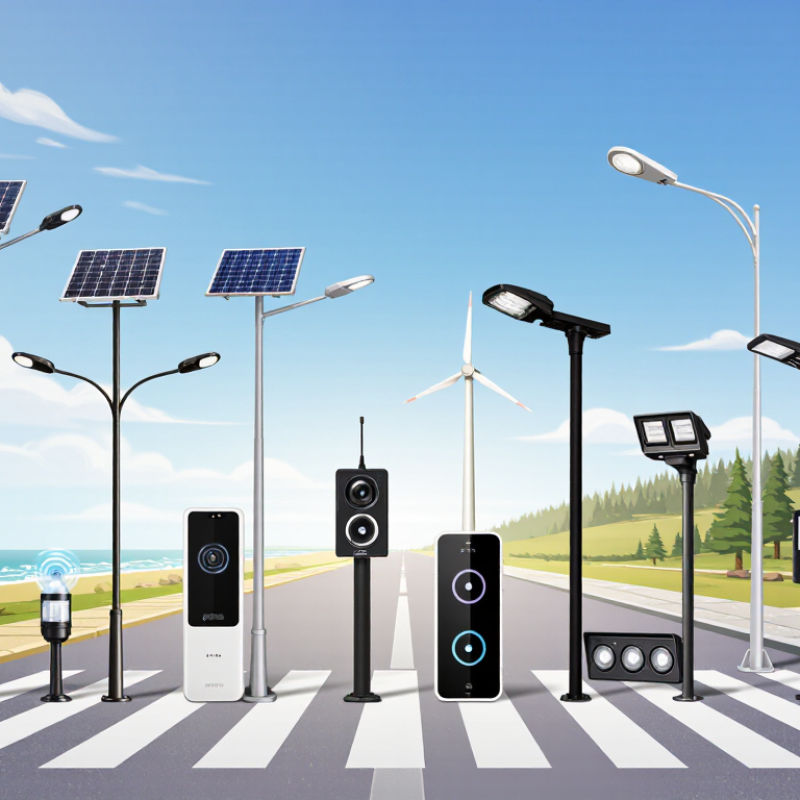
Solar street lights now fit many road conditions, not one universal design. IRENA reported 345.5 GW of new solar capacity in 2023, showing stronger solar supply worldwide. The following ten types help buyers compare practical options: all-in-one, split, vertical-panel, integrated-pole, hybrid solar-wind, smart IoT, motion-sensor, high-mast, decorative, and solar floodlight systems.
All-in-one lights place the panel, battery, and LED inside one housing. They install quickly but may face heat-management limits. Split systems separate the battery from the panel, supporting larger batteries and easier servicing. Vertical-panel models suit narrow streets or snowy regions. Integrated-pole units reduce wiring and improve appearance. Hybrid solar-wind systems can extend operation in windy coastal areas, though maintenance becomes more complicated.
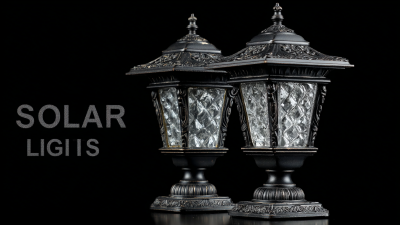
Smart IoT lights transmit faults, energy data, and operating schedules. Motion-sensor models reduce brightness until pedestrians or vehicles approach. High-mast systems serve highways, ports, and broad intersections. Decorative units suit parks, plazas, and heritage streets. Solar floodlights cover compounds, loading areas, and security zones. The Global Off-Grid Solar Market Report 2024 highlights growing demand for reliable solar-powered services, but performance still depends on local design. My field-based caution is simple: advertised autonomy can feel optimistic. Check winter irradiation, battery temperature, pole spacing, wind load, and replacement access before approving a purchase.
How Solar Street Light Designs Differ in Performance
Top 10 Types of Solar Street Lights for Global Buyers
Solar street light designs differ mainly in energy capture, storage, and light distribution. Integrated all-in-one lights place the panel, battery, and LEDs inside one housing. They install quickly and reduce cable damage, but their compact panels may limit charging in cloudy regions. Split-type lights use a separate panel and battery box. This layout allows better panel positioning and easier battery servicing. Shade changes everything.
Semi-integrated models offer a middle option. Their larger panels often improve winter charging, while the separate LED head supports better heat control. Vertical-panel lights can perform well along narrow roads, where horizontal panels receive uneven sunlight. Hybrid solar lights add grid support for long rainy periods. They cost more, but reliability improves where autonomy is critical. Motion-sensor designs reduce overnight energy use, although sudden brightness changes may affect pedestrian comfort.
For wide roads, high-output or high-mast designs need careful optical planning. A powerful lamp can still create dark gaps when pole spacing is excessive. Decorative solar lights suit parks and walkways, but they usually provide lower illumination than road-focused units. Smart models can report battery voltage, operating faults, and energy use remotely. Buyers should check usable battery capacity, panel wattage, LED efficacy, IP protection, and local solar radiation data. A stated three-night autonomy may assume ideal conditions. In practice, dust, shade, and aging batteries reduce that margin. I would test a sample through one wet season before approving a large shipment.
Top 10 Types of Solar Street Lights for Global Buyers
How solar street light designs differ in performance
The chart uses representative engineering midpoints for commonly available system designs. Actual performance depends on solar radiation, battery capacity, LED load, mounting height, operating temperature, and programmed dimming schedules. Motion-sensor and adaptive-dimming systems can achieve longer effective autonomy by reducing power consumption during low-traffic periods.
Installation, Maintenance, and Global Purchasing Considerations
Choosing among all-in-one, split, hybrid, smart, and motion-sensor solar street lights starts with the site, not the catalog. Measure road width, pole spacing, shade, soil, and winter sunlight. A lamp that works well in a dry test yard may underperform beside tall buildings. Keep simple daylight and nighttime records for several days. Local installers often notice drainage or theft risks that remote buyers miss.
Use corrosion-resistant poles and sealed cable entries where rain, dust, or coastal salt is common. Set the panel toward the strongest seasonal sun, while avoiding tree shadows after mid-afternoon. Anchor bolts need level foundations and torque checks. Small errors matter. Leave service access around batteries and controllers. Clean panels every few months, inspect fasteners, and check battery voltage before winter. Replace damaged seals quickly. Moisture can quietly destroy electronics. Motion dimming saves energy, but poorly adjusted sensors may frustrate pedestrians and drivers.
For global purchasing, request photometric files, battery chemistry, operating-temperature ranges, IP and IK ratings, warranty terms, spare-part lists, and test reports. Confirm whether autonomy figures include cloudy nights and reduced winter output. Ask for a sample unit or pilot installation before ordering hundreds. Shipping cartons should protect panels, batteries, and lenses separately. Import duties, local electrical rules, and recycling obligations can change the real cost. Attractive quotations sometimes fail because replacement batteries are unavailable. Recheck every assumption.