
What Is an Electric Three Wheeler Cargo Vehicle?

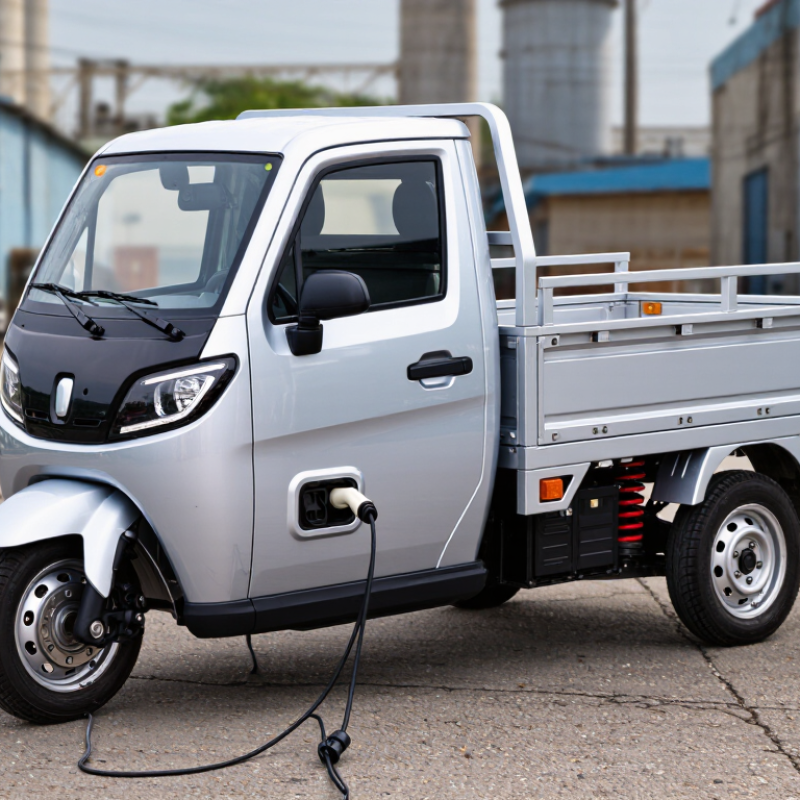
An Electric Three Wheeler Cargo vehicle is a compact utility vehicle powered by an electric motor and supported by three wheels. It usually combines a front steering wheel with two rear wheels beneath a cargo box or flatbed. This layout gives small businesses a practical way to move goods through narrow streets, markets, campuses, and industrial sites.

Its main systems include a battery pack, electric motor, controller, braking system, suspension, and charging equipment. Depending on the design, the cargo area may carry groceries, parcels, tools, agricultural products, or maintenance supplies. Operators should check payload capacity, climbing ability, turning radius, charging time, and real-world driving range. Advertised range can change sharply with heavy loads, hills, cold weather, and frequent stops. That detail is easy to overlook.

A reliable evaluation also considers battery protection, tire quality, lighting, driver visibility, and after-sales service. Safety depends on more than electric power. Balanced loading and controlled speed matter every day. Local road rules, licensing requirements, parking limits, and charging standards should be verified before purchase. Specifications alone cannot predict every working condition. A vehicle that performs well on level pavement may struggle on uneven roads or steep ramps. This is where field testing becomes valuable. Careful users record energy consumption, charging frequency, maintenance needs, and actual delivery distance. The technology is promising, but it is not perfect. Understanding both its strengths and limitations helps buyers choose an Electric Three Wheeler Cargo solution that fits their route, workload, and operating environment.
What Is an Electric Three Wheeler Cargo Vehicle?

Definition and Core Design of an Electric Three-Wheeler Cargo Vehicle

What Is an Electric Three Wheeler Cargo Vehicle?

Definition and Core Design of an Electric Three-Wheeler Cargo Vehicle

An electric three-wheeler cargo vehicle is a compact utility vehicle powered by electricity. It uses three wheels, an electric motor, and a dedicated cargo area. The layout usually places two wheels at the rear for stability and one wheel at the front for steering. Some models reverse this arrangement. Its main purpose is moving goods through narrow streets, workshops, farms, and local delivery routes.

The core design begins with a strong frame and a carefully positioned load platform. A low cargo floor helps workers load boxes without excessive lifting. The battery commonly sits beneath the floor or near the central frame. This placement lowers the center of gravity and improves handling. A controller regulates motor power, while regenerative braking may recover limited energy during deceleration. Mechanical brakes remain essential for dependable stopping.

Practical design matters more than impressive specifications. A vehicle carrying water containers needs different balance requirements than one carrying parcels. Engineers must match motor output, battery capacity, tire strength, and suspension travel. Poor weight distribution can make steering uncomfortable. It can also reduce braking confidence. From field testing, small details often matter: a protected charging port, visible lights, and an easy-to-clean cargo bed. No design is perfect. Extra capacity usually adds weight, cost, or charging time.

Powertrains, Batteries, and Typical 5–20 kWh Energy Capacity

What Is an Electric Three Wheeler Cargo Vehicle?

An electric three wheeler cargo vehicle is a compact commercial vehicle with one front wheel and two rear wheels. Its electric powertrain usually includes a traction motor, inverter, reduction gear, battery pack, and charging system. The motor may drive a rear axle or a single wheel. This layout supports low-speed delivery work, narrow streets, and frequent stops.

Battery size matters more than the vehicle’s body design. Typical cargo models use approximately 5–20 kWh of energy capacity. Smaller packs can suit short urban routes and lighter loads. Larger packs provide longer operating time, but add weight, cost, and charging demand. The International Energy Agency reported that electric three wheelers represented about half of global three wheeler sales in 2023. This signals strong practical acceptance, especially in high-mileage commercial use.

Real capacity is less simple. Battery management systems reserve energy to protect cell life, so usable capacity is below the nameplate figure. Lithium iron phosphate cells are often selected for durability and thermal stability, while other chemistries may reduce weight. A 10 kWh pack might support a full workday in mild conditions, but payload, hills, tire pressure, traffic, and weather can change that result sharply. Testing must include actual cargo. Brochure range alone is insufficient. I would also check charging time, battery warranty terms, regenerative braking behavior, and motor output before specifying a vehicle. Industry assessments from IDTechEx emphasize that fleet economics depend on duty cycles, not battery size alone.

Cargo Capacity, Payload Ratings, and Common 300–1,000 kg Configurations

What Is an Electric Three Wheeler Cargo Vehicle?

An electric three-wheeler cargo vehicle uses a battery motor and a compact cargo body for urban delivery work. Its useful capacity depends on more than box size. Payload means the combined weight of goods, driver, battery, tools, and accessories. Payload is not volume.

Common configurations range from 300 to 500 kg for parcels, groceries, and workshop supplies. Models rated around 600–800 kg suit heavier retail loads and short industrial routes. A 1,000 kg configuration usually needs a reinforced frame, stronger suspension, larger brakes, and careful tyre selection. The rating is a limit, not a daily target.

The IEA’s Global EV Outlook 2024 reports about 580,000 electric three-wheelers sold in India during 2023. This figure shows the segment’s practical importance in dense delivery markets. Real fleet assessments should measure loaded hill starts, braking distance, battery temperature, and charging time. A vehicle carrying 800 kg on level pavement may perform very differently on a steep route. Payload also reduces range, sometimes more than operators expect. That part is easy to underestimate.

A useful purchasing calculation starts with the route, not the advertised cargo box. Weigh a typical load, add the driver and equipment, then keep a sensible reserve below the official rating. Published specifications can differ in testing conditions. The IEA data supports strong market momentum, but it does not replace local trials, maintenance records, or independent weight checks. Mistakes remain possible.

Operating Range, Charging Time, and Typical 60–150 km Daily Use

What Is an Electric Three Wheeler Cargo Vehicle?

An electric three-wheeler cargo vehicle is a battery-powered utility vehicle with two rear wheels and one front wheel, or the reverse. It carries parcels, produce, tools, or small equipment through crowded urban streets. The IEA’s Global EV Outlook 2024 reports nearly 10 million electric two- and three-wheelers sold globally in 2023, showing strong demand for compact commercial transport.

For cargo work, operating range matters more than a laboratory figure. Many vehicles can support 60–150 km of daily driving, depending on battery size, payload, road slope, traffic, and weather. A loaded vehicle climbing hills may lose range quickly. The 150 km claim can be optimistic. Plan around the lower figure unless independent testing confirms otherwise.

Charging often takes four to eight hours using standard AC equipment. Larger batteries and slower onboard chargers require more time. The U.S. Department of Energy’s Alternative Fuels Data Center explains that charging duration depends on battery capacity, charger power, and available electrical supply. A 5–15 kWh battery may suit routine urban routes, but operators should check usable capacity, not only the advertised size. Overnight charging is practical for a 60 km route. A 150 km schedule may require midday charging or a spare battery. Measure actual distance for two weeks; delivery habits can expose a costly gap.

What Is an Electric Three-Wheeler Cargo Vehicle?

Operating range, charging time, and practical daily-use planning for common 60–150 km urban cargo routes.

This planning example assumes energy consumption of approximately 0.13 kWh per kilometre and a 2.5 kW AC charging rate. A usable battery of 8–20 kWh supports an estimated 60–150 km operating range, while a full recharge typically takes about 3.2–8 hours. Actual results vary with payload, road gradient, traffic, temperature, driving speed, and battery condition.

Safety Systems, Regulations, and Commercial Fleet Applications

What Is an Electric Three Wheeler Cargo Vehicle?

An electric three wheeler cargo vehicle is a compact battery-powered carrier with two wheels at one end and one at the other. It usually serves short urban routes, where narrow lanes and frequent stops make larger trucks inefficient. A practical cargo body may hold parcels, food containers, tools, or maintenance equipment. Payload limits must be checked carefully. Overloading can reduce braking control, tire grip, and battery range.

Safety systems deserve close attention in daily fleet work.

Reliable brakes, daytime lights, mirrors, reflectors, and audible reversing alerts improve visibility around pedestrians. Seat belts, protective frames, speed controls, and stable cargo partitions add further protection. Battery management should monitor temperature, charging status, and abnormal voltage changes. Telematics can record harsh braking, route speed, and maintenance faults. Yet technology cannot correct poor driving habits. A blind spot still exists.

Regulations differ by country, state, and operating area.

Fleet managers should verify vehicle classification, maximum speed, gross weight, lighting rules, insurance, licensing, and inspection requirements before deployment. Local authorities may also restrict access to certain roads or loading zones. Commercial fleets often use these vehicles for last-mile delivery, campus logistics, warehouse transfers, and municipal services. Their quiet operation helps in dense neighborhoods, but pedestrians may not hear them approaching. Driver training should cover cornering, uneven surfaces, battery charging, and secure loading. A pilot program can reveal problems that a specification sheet misses, especially during rain, peak traffic, or repeated hill climbs.

(08) 7200 3909