2026 How to Choose Dispenser Pump Solutions?
Choosing the right dispenser pump is no longer a simple packaging decision. It affects product protection, user experience, manufacturing efficiency, and environmental performance. The 2026 market will demand more than attractive packaging.
Industry research supports this shift. Smithers’ packaging outlook reports continued investment in recyclable, lightweight, and resource-efficient formats. McKinsey’s consumer packaging research also shows that sustainability strongly influences purchasing decisions, although convenience and product safety remain essential. These findings matter for Dispensers Pump Solutions because a pump must perform reliably while supporting broader packaging goals.
A practical evaluation begins with the formula. A thick facial cream may require a wider passage, stronger spring force, and slower output. A watery sanitizer needs controlled dosing and a reliable return mechanism. Test both on the production line and in real user conditions. Small details matter, including dip-tube length, actuator comfort, closure torque, leakage resistance, and compatibility with alcohols, oils, acids, or surfactants.
Standards provide useful discipline. ISO 15378 supports quality practices for primary packaging materials, while ISO 9001 helps structure supplier and process controls. These standards do not replace product-specific testing. They guide it.
No selection method is perfect. A laboratory test may not reveal a pump’s behavior after months of storage. A low unit price can hide higher failure rates, waste, or customer complaints. Therefore, buyers should compare total cost, documented test results, recyclability, supply stability, and technical support. The best choice is rarely the cheapest pump. It is the solution that remains consistent from filling line to the final hand press.
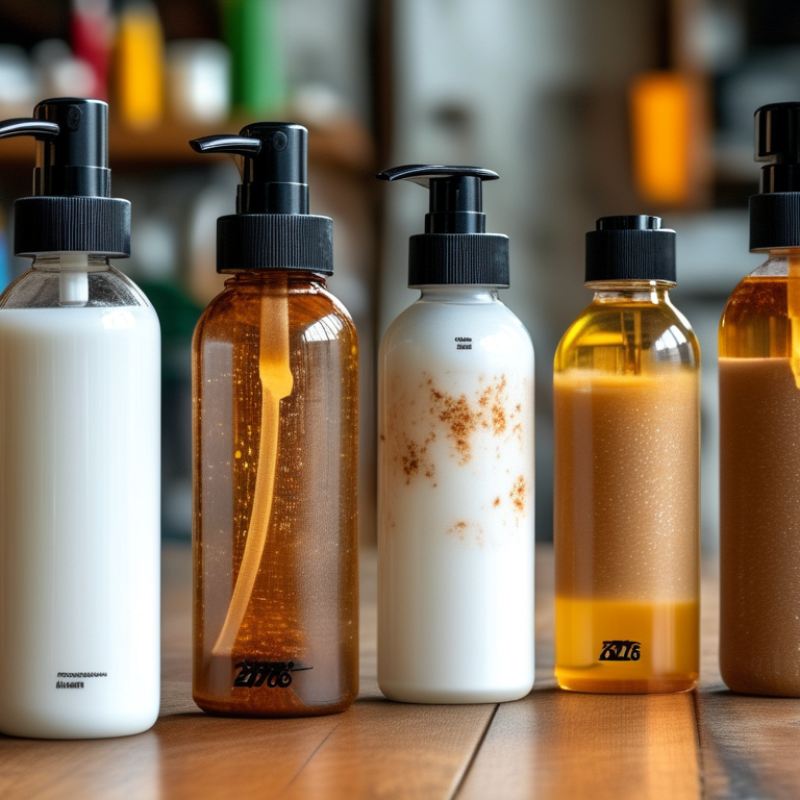
Define the Use Case: Match 2026 Pumps to 0.5–5 mL Dose Requirements
In 2026, choosing a dispenser pump starts with the actual use case, not the catalog image. A 0.5 mL dose needs different control from a 5 mL dose. Consider product viscosity, container size, closure design, and the required dosing speed. A thick cream may need a wider flow path, while a thin liquid may require stronger anti-drip control. The hand feel matters too. Users notice resistance after only a few presses.
Tips: Test the smallest and largest doses. Measure ten consecutive actuations. Check the average volume, variation, leakage, and reset behavior. Run tests at different temperatures. Small details can change results. Also inspect priming performance after storage. A pump that works well on the first trial may hesitate later. That is easy to miss.
Reliable selection combines technical data with practical testing. Ask for tolerance information, material compatibility, and clear maintenance guidance. Confirm that the pump protects the formula from unnecessary air exposure. For 0.5–5 mL applications, dose accuracy should be reviewed alongside ergonomics and production efficiency. In real evaluations, packaging geometry can affect output more than expected. I have found that “universal” solutions often need adjustment. This is where careful sampling, documented results, and feedback from operators become valuable. Do not judge performance from one successful press. Consistency is the real measure.
Classify Formula Viscosity: Choose Pumps for 1–100,000 cP Fluids
2026 How to Choose Dispenser Pump Solutions?
Formula viscosity should guide the pump before container design begins. A fluid at 1 cP behaves almost like water. A 100,000 cP cream moves slowly and may trap air. Viscosity also changes with temperature, shear rate, and storage time. ASTM D2196 recommends rotational testing for non-Newtonian materials, which many creams and gels are. Do not select a pump from a single room-temperature reading.
1–1,000 cP For 1–1,000 cP liquids, a spring-loaded check valve or suitable dip-tube dispenser can support clean, repeatable dosing.
1,000–20,000 cP From 1,000–20,000 cP, larger flow paths and stronger piston action usually become important.
Above 20,000 cP Above 20,000 cP, piston, progressive-cavity, or air-assisted systems may perform better.
Test the actual formula, not only a laboratory substitute. A 100,000 cP balm can still dispense poorly after cooling overnight. McKinsey’s 2023 beauty market report estimates the sector may approach 580 billion dollars by 2027, increasing pressure for reliable, high-volume dispensing. Grand View Research also identifies continued growth in cosmetic packaging, where dosing accuracy affects product waste and user experience.
Tips:
Measure viscosity at real filling and consumer temperatures. Record torque, output weight, priming time, and residual product. Check whether the formula contains particles. I have seen apparently correct pumps fail after a small nozzle change. That detail is easy to miss. Keep a 10–20% performance margin, but confirm it through repeated trials. Over-sizing can increase cost and damage delicate textures. Sometimes, the “best” pump is only the least sensitive compromise.
Set Dispensing Accuracy: Compare ±5% Variation Over 30 Test Cycles
2026 How to Choose Dispenser Pump Solutions?
Set dispensing accuracy means more than reading one impressive test result. A reliable pump should maintain ±5% variation across 30 test cycles, not only during the first few shots. In practical testing, collect each dose by weight and record the results in a simple table. Check the average volume, minimum dose, maximum dose, and cycle-to-cycle drift. I have found that early consistency can hide gradual changes after repeated operation.
Use the same fluid, container, temperature, and operating speed for every cycle. Viscosity changes can affect flow, even when the pump settings remain unchanged. Watch for air bubbles, seal movement, and liquid residue around the outlet. These small details can explain an unexpected tenth cycle failure. A perfect result on paper may still feel unstable in daily use. That is worth questioning.
Tips: Run three 30-cycle tests on different days. Calibrate the scale before each test. Let the pump rest, then repeat the measurement. Compare operators too, because hand pressure and timing can influence results. Do not judge accuracy from the average alone. A narrow range is usually more useful. If one cycle falls outside ±5%, investigate the cause instead of deleting the data. Reliable selection comes from repeatable evidence, clear records, and honest review of weak points.

